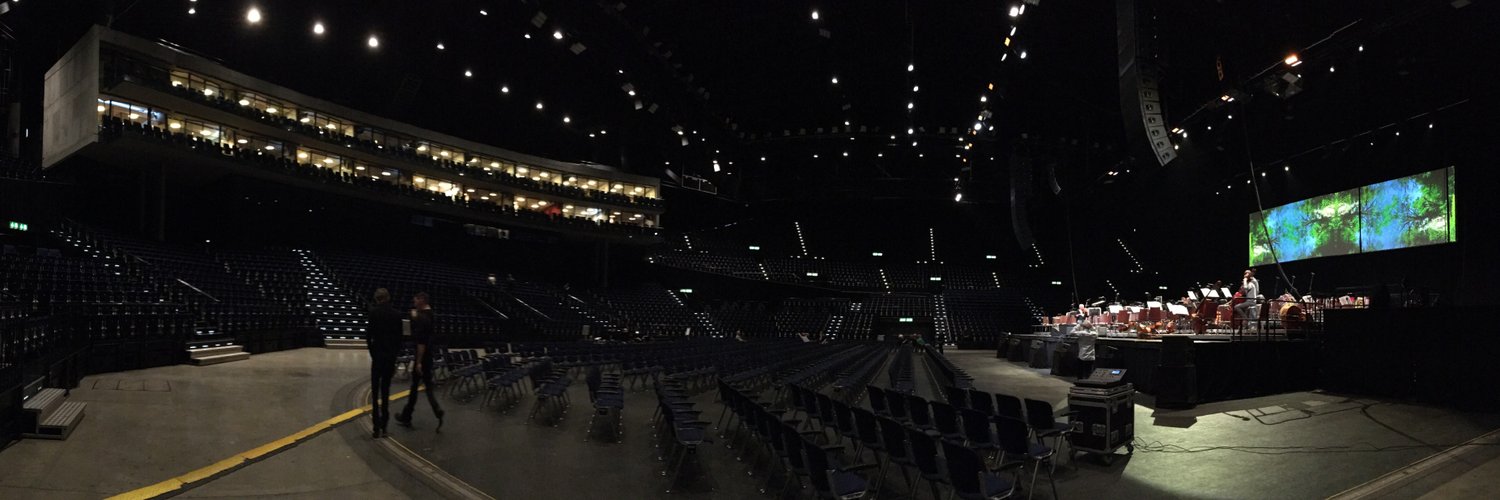
After years of creating video projections for orchestras, opera houses, and ballet companies, I’ve learned one fundamental truth: the best video design is often invisible.
The Temptation of Spectacle
Modern projection technology is incredibly powerful. We can fill entire buildings with moving images, create seemingly impossible visual effects, and synchronize perfectly with music down to the millisecond.
But with classical music, restraint is everything.
Serving the Music
The music exists perfectly on its own—it has for centuries. Our job isn’t to illustrate or explain it. It’s to create an environment where the audience can experience it more deeply.
This means:
- Breathing room: Not every moment needs visual activity
- Subtlety: Gradual changes that audiences feel rather than see
- Negative space: Empty areas that let the eye rest
A Different Kind of Collaboration
Working with conductors and musicians requires a different approach than commercial video work. The video isn’t the product—it’s one element in service of something larger.
The best compliment I’ve received wasn’t about how impressive the visuals were. It was a conductor telling me: “I forgot the projections were there, but somehow the music felt different.”
That’s the goal.